Walking through the supermarket aisles can be overwhelming — with hundreds of “healthy,” “low-fat,” and “natural” labels shouting for attention. But are they really what they claim to be? The Australian grocery guide for 2025 helps families cut through the confusion by learning how to read food labels properly. Understanding what goes into your food is the first step toward better nutrition, smarter shopping, and long-term health. Here’s how to decode packaging and choose real, nutrient-rich foods for your family.
Why Understanding Food Labels Matters
Food packaging can often be misleading, with claims like “sugar-free,” “low-fat,” or “natural” that may not tell the full story. Many processed foods in Australia are packed with hidden sugars, salts, and preservatives. By learning to read labels, families can make more informed choices and avoid unnecessary additives. The Health Star Rating system introduced by the Australian Government is a great tool — but understanding ingredient lists and nutrition panels is even more powerful.
1. Check the Ingredients List First
The ingredients list is the real truth behind any product. Ingredients are listed in order of quantity — the first few make up most of the product. If sugar, salt, or hydrogenated oils are near the top, it’s not the healthiest choice. Look for short ingredient lists with items you recognize and can pronounce. Australian dietitians recommend focusing on products with whole food ingredients like oats, nuts, fruits, and grains instead of artificial additives.
2. Understand the Nutrition Information Panel
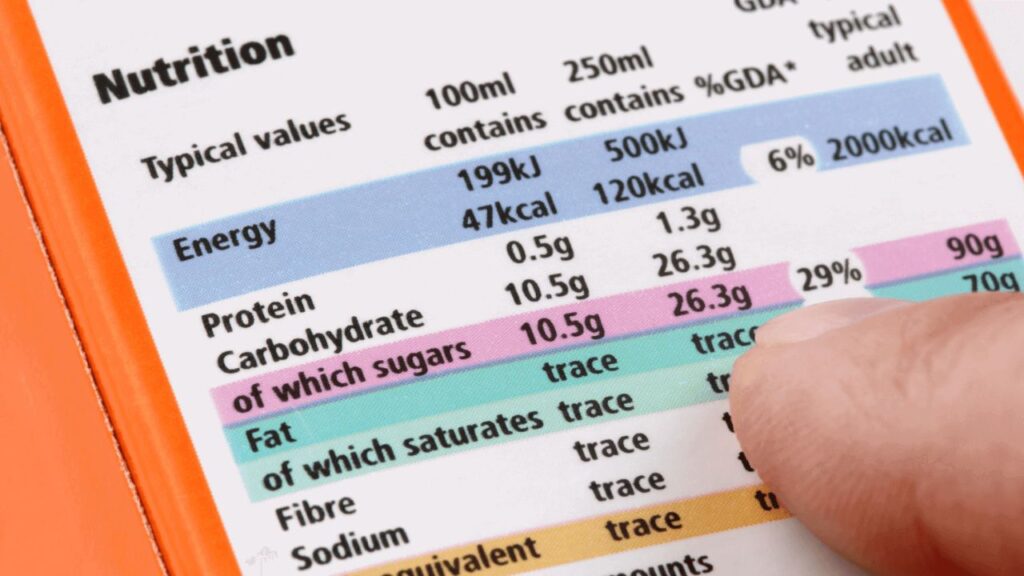
The nutrition panel shows how much energy, protein, fat, sugar, and sodium are in your food. To compare products, always use the “per 100g” column. Here’s what to aim for:
| Nutrient | Healthy Range (per 100g) | Why It Matters |
|---|---|---|
| Sugar | Less than 10g | Prevents blood sugar spikes |
| Sodium (Salt) | Less than 400mg | Supports healthy blood pressure |
| Fibre | More than 3g | Aids digestion and fullness |
| Saturated Fat | Less than 3g | Reduces cholesterol risk |
| Protein | More than 5g | Helps with muscle and energy |
Compare brands using this method to spot hidden differences — two similar-looking products can have very different nutrition values.
3. Watch Out for Hidden Sugars
Even foods labeled as “healthy” can contain hidden sugars. Sugar goes by many names: sucrose, glucose, maltose, corn syrup, honey, or fruit concentrate. Look for products with no added sugar or “unsweetened” on the label. Common culprits in Australian supermarkets include flavored yogurts, muesli bars, sauces, and cereal. Replacing these with plain or homemade versions can drastically cut your family’s daily sugar intake.
4. Don’t Be Fooled by Marketing Labels
Terms like “low-fat,” “gluten-free,” or “natural” don’t always mean healthier. Many “low-fat” items replace fat with sugar, while “gluten-free” snacks may contain extra starch or salt. The Australian grocery industry uses these labels to appeal to diet trends, but smart shoppers look beyond the front of the package. Always read the fine print on the back to understand what you’re really getting.
5. Choose Whole and Minimally Processed Foods
The simplest way to eat healthier is to buy foods as close to their natural form as possible. Opt for fresh fruits, vegetables, lean meats, and whole grains. Frozen produce is just as nutritious as fresh, especially when it’s snap-frozen. Avoid items with long ingredient lists and added preservatives. The golden rule of the Australian grocery guide: the fewer ingredients, the better the food.
Smart Grocery Swaps for Australian Families
| Instead Of | Choose This | Benefit |
|---|---|---|
| Flavored yogurt | Plain Greek yogurt with fruit | Less sugar, more protein |
| White bread | Wholegrain or seeded bread | More fibre and nutrients |
| Soft drinks | Sparkling water with lemon | No added sugar |
| Processed snacks | Homemade popcorn or nuts | Healthy fats and minerals |
| Instant noodles | Wholegrain noodles with veggies | Lower sodium, higher fibre |
6. Use the Health Star Rating Wisely
The Health Star Rating (HSR) system helps compare similar products quickly. It rates foods from 0.5 to 5 stars — the higher, the healthier. However, it’s not perfect. Always double-check the nutrition panel, especially for sugar and sodium. For example, a 4-star cereal might still contain too much sugar if it’s heavily processed. Use HSR as a quick guide, not a final decision.
Shop Smart, Eat Real
Learning how to read labels empowers Australian families to make informed, confident choices at the supermarket. Stick to foods that are minimally processed, low in sugar and salt, and rich in whole ingredients. The Australian grocery guide isn’t about avoiding everything — it’s about understanding what fuels your family best. Once you master label reading, you’ll spend less time guessing and more time enjoying real, nourishing food.
1. How can I tell if food is really healthy?
Check the ingredient list and nutrition panel — not just the marketing claims on the front.
2. Are all “low-fat” foods good for you?
Not always. Some replace fat with sugar or additives that are less healthy overall.