
South Africans are being warned about a dangerous new scam spreading through WhatsApp messages, targeting vulnerable SASSA grant recipients. The South African Social Security Agency (SASSA) has confirmed reports of fraudsters pretending to offer quick payments and account verification links. These fake messages are designed to steal personal banking details and drain victims’ accounts within minutes. As digital scams continue to rise across South Africa, it’s crucial for recipients to stay alert, verify all messages, and never share confidential details with unknown contacts.
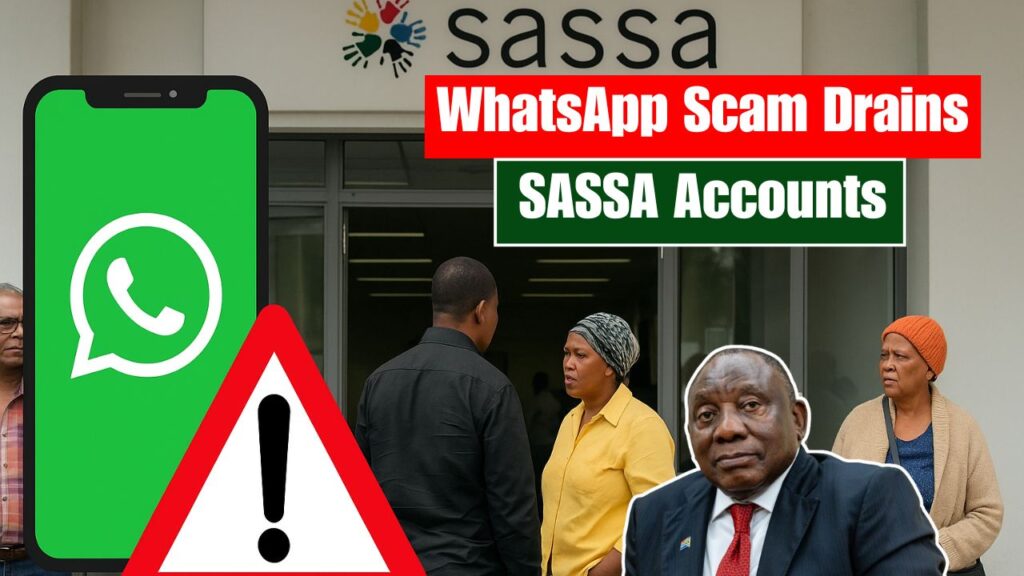
New WhatsApp Scam Targeting SASSA Beneficiaries
Reports indicate that a fake WhatsApp link is circulating among SASSA recipients promising faster R350 SRD payments. Once clicked, it leads users to a phishing website that collects sensitive data like ID numbers and banking details. The scammers impersonate officials using stolen logos and fake forms to appear legitimate. SASSA confirmed that they never request information through WhatsApp or social media platforms. Beneficiaries are urged to only visit the official SASSA website or verified channels to check payment details and avoid these fraudulent links.

SASSA’s Official Response and Warnings
The SASSA Fraud Unit has issued multiple alerts warning recipients not to fall for messages offering “instant reapproval” or “account updates.” These are clear signs of identity theft scams aiming to access beneficiaries’ grant payments. SASSA encourages citizens to report suspicious messages to the National Anti-Fraud Hotline. Officials have also collaborated with telecom providers to block fake numbers spreading these messages. The agency continues to emphasize public awareness and safe online behavior to protect South African citizens from rising digital fraud.
 Millions of UK retirees will see a 4.8% increase in November 2026 – DWP announces full Payment rates
How to Protect Your SASSA Grant from Fraud
To safeguard their funds, recipients should never share bank account details via WhatsApp or social media. It’s best to check all updates directly from SASSA.gov.za or official SMS notifications. Avoid clicking on shortened links or filling out online forms from unknown sources. Always verify the authenticity of a message by calling the SASSA contact center before taking any action. These small steps can help thousands of South Africans prevent financial loss and keep their grant money safe from online fraudsters.
Summary and Key Takeaways
The rise of WhatsApp fraud targeting SASSA highlights the need for digital awareness in South Africa. Scammers are using social media to trick individuals into sharing financial information. Staying alert, verifying all communication, and avoiding unknown links are the best defense. SASSA continues to strengthen its fraud prevention systems and urges recipients to be cautious with personal data. By staying informed, citizens can protect themselves from scams and ensure their monthly grant payments remain secure.
| Warning Type | Details |
|---|---|
| Fraud Channel | WhatsApp messages and fake links |
| Target Group | SASSA grant beneficiaries |
| Common Scam Offer | Instant payment reapproval or updates |
| Official Source | www.sassa.gov.za |
| Reporting Hotline | 0800 701 701 (Anti-Fraud) |
Frequently Asked Questions (FAQs)
1. What is the new SASSA WhatsApp scam?
It’s a fraudulent message tricking recipients to share banking details through fake links.
 NSFAS November 2025 Payments Delayed? Resolve Portal Issues Instantly with This WhatsApp Number!
2. How can I verify real SASSA messages?
Check only messages from verified SASSA numbers or official website updates.
3. What should I do if I clicked a fake link?
Immediately contact your bank and report the incident to SASSA and the Anti-Fraud Hotline.

4. Does SASSA ever request banking details via WhatsApp?
No, SASSA never asks for personal or financial details through WhatsApp or social media.
