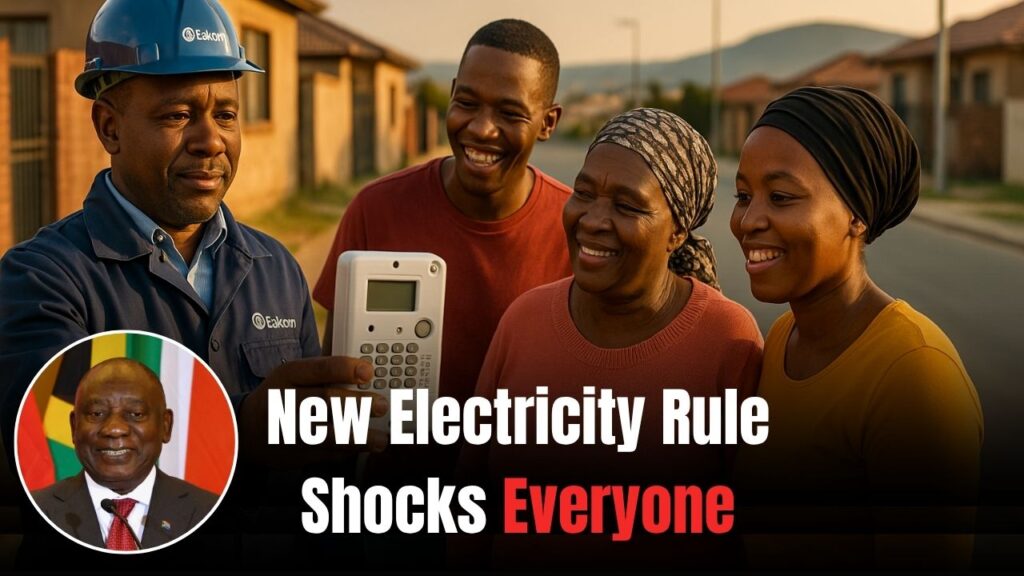
South Africa’s power utility, Eskom, has intensified its efforts to stabilize the country’s electricity supply by accelerating the rollout of smart meters and expanding Free Basic Electricity (FBE) registration. This strategic move aims to reduce load shedding disruptions, improve energy management efficiency, and ensure that low-income households continue to receive free electricity benefits. As part of this national initiative, Eskom is working closely with municipalities to enhance grid reliability and provide transparent power usage data for all consumers.
Smart Meter Rollout to Curb Load Shedding
Eskom’s smart meter program is designed to empower households with better control over their energy use. These digital devices provide real-time usage data, allowing users to track consumption and identify areas to save. The rollout will also help Eskom detect faults more efficiently and manage demand peaks across regions. By installing smart meters nationwide, the utility expects to improve electricity monitoring and reduce the frequency of stage-based load shedding that continues to affect many parts of South Africa.

Free Basic Electricity Registration Expansion
The government’s Free Basic Electricity policy provides a monthly allowance of free units to qualifying households. Eskom’s new registration drive aims to ensure that all eligible low-income families are included in the program. Through simplified application procedures and local community partnerships, more households can now enjoy essential power access without additional costs. This expansion aligns with South Africa’s broader goal of energy equity and improving living standards for millions of vulnerable residents.
Eskom’s Long-Term Vision for Energy Stability
Alongside technological upgrades, Eskom is implementing a long-term strategy focused on grid modernization and renewable energy integration. The utility plans to phase out outdated systems and adopt smarter infrastructure that supports sustainable electricity supply. By promoting solar energy adoption and smart grid connectivity, Eskom aims to reduce reliance on coal-based plants. This forward-thinking approach not only tackles current power shortages but also lays the foundation for a cleaner energy future in South Africa.

Summary and Analysis
Eskom’s dual strategy of expanding smart meter installations and FBE registration represents a major shift toward energy transformation and customer empowerment. With better monitoring tools and support for disadvantaged communities, the utility is paving the way for a more stable grid and fair energy access. These measures are expected to gradually ease the pressure of load shedding schedules while fostering a culture of responsible energy use nationwide.
| Program Component | Main Objective | Target Group | Expected Impact |
|---|---|---|---|
| Smart Meter Rollout | Real-time usage tracking | Urban and rural users | Reduced load shedding |
| Free Basic Electricity | Provide free units monthly | Low-income households | Affordable energy access |
| Grid Modernization | Improve infrastructure | Nationwide consumers | Reliable power supply |
| Renewable Integration | Adopt cleaner sources | General population | Sustainable energy future |
| Public Awareness Campaign | Educate on smart usage | All citizens | Energy conservation |
Frequently Asked Questions (FAQs)
1. What is Eskom’s smart meter rollout about?
It’s a national plan to install digital meters for better energy monitoring and efficiency.
2. Who qualifies for Free Basic Electricity?
Low-income households registered through Eskom or their local municipality.
3. How will smart meters help reduce load shedding?
They provide real-time data to manage demand and detect power faults early.
4. When will the new system be fully implemented?
Eskom plans phased rollouts across South Africa through 2026.